
Editors for Physiology
Senior editors
-
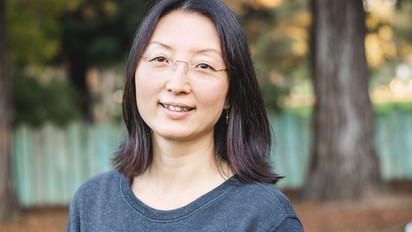
Lu Chen
Stanford University, United States
Lu Chen is a Professor in the Department of Neurosurgery at Stanford University School of Medicine. Her research focuses on understanding the molecular and cellular mechanisms underlying synaptic plasticity and memory engram formation during behavioral learning, and how synapse functions are altered in neurodevelopmental disorders. She received her PhD in Neuroscience from the University of Southern California under the mentorship of Richard Thompson. After a postdoc fellowship in the University of California, San Francisco with Roger Nicoll, she joined the faculty at the University of California, Berkeley in 2003. In 2011, she moved to Stanford University School of Medicine.
- Expertise
- Neuroscience
- Physiology
- Research focus
- cellular neurophysiology
- synaptic physiology
- synaptic plasticity
- learning
- memory
- memory engram
- hippocampal function
- induced human neurons
- fragile-X syndrome
- Experimental organism
- mouse
- Competing interests statement
- Lu Chen currently receives funding from the National Institutes of Health. She is on the Editorial Board of Current Opinion of Neurobiology and PLOS One. She also serves as an Associate Editor for Frontiers in Synaptic Neuroscience.
-
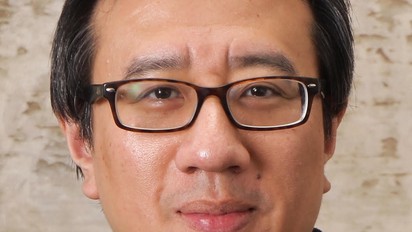
Qiang Cui
Boston University, United States
Qiang Cui is a professor of Chemistry at Boston University and also affiliated with the Departments of Physics and Biomedical Engineering. He received a B.S. in Chemical Physics from the University of Science and Technology of China in 1993, and a Ph.D. in Theoretical Chemistry in 1997 from Emory University under the tutelage of Professor Keiji Morokuma. He conducted postodctoral research with Professor Martin Karplus at Harvard University and, in 2001, moved to the University of Wisconsin, Madison, as a faculty member in the Chemistry department. After spending almost 17 wonderful years in Madison, he moved back to Boston in 2018. His current research interests include quantum chemistry and statistical mechanics and their applications to various chemical, biological, and materials problems.
Expertise: Computational biophysics, especially molecular dynamics, hybrid quantum mechanical/molecular mechanics simulations, free energy simulations applied to enzymes, biomolecular machines and lipid membranes.
- Expertise
- Biochemistry and Chemical Biology
- Structural Biology and Molecular Biophysics
- Physiology
- Research focus
- molecular dynamics
- hybrid quantum
- classical simulations
- enzyme catalysis
- allostery
- protein dynamics
- membrane remodeling
- Competing interests statement
- Qiang Cui currently serves as an associate editor for the Journal of Chemical Theory and Computation (American Chemical Society).
-
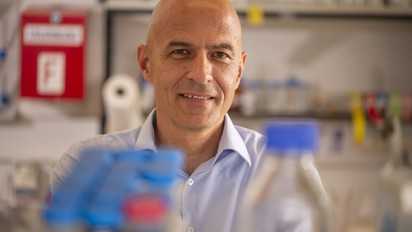
Volker Dötsch
Goethe University, Germany
Volker Dötsch is Professor of Biophysical Chemistry at Goethe University and a member of the Magnetic Resonance Center Frankfurt. He studied chemistry at the University of Göttingen and obtained a PhD from the ETH in Zürich. As a postdoctoral fellow he used NMR to determine the structure of protein-DNA complexes at the Harvard Medical School. In 1998 he moved as assistant professor to the University of California San Francisco (UCSF). In 2003 he was appointed professor at the Institute of Biophysical Chemistry of Goethe University in Frankfurt. His research interests focus on the structural and functional characterization of members of the p53 protein family, in particular p63 and its involvement in genetic quality control in germ cells. In addition, his laboratory uses a combination of NMR spectroscopy and cell-free protein expression to investigate the structure and function of membrane proteins and studies molecular interactions regulating autophagy. His lab uses a wide variety of biophysical methods including NMR spectroscopy and combines these studies with investigations in cell culture experiments and mouse models. Volker Dötsch is an elected EMBO member.
- Expertise
- Structural Biology and Molecular Biophysics
- Biochemistry and Chemical Biology
- Physiology
- Research focus
- p53 protein family
- cell-free expression and membrane protein structure and function
- autophagy
- Competing interests statement
- Volker Dötsch has received funding from the Deutsche Forschungsgemeinschaft, the National Institutes of Health and the Deutsche Krebshilfe. He is on the Scientific Advisory Board of the Frankfurt Institute of Advanced Studies and a member of the editorial boards of Journal of Biological Chemistry and Cell Death & Disease.
-
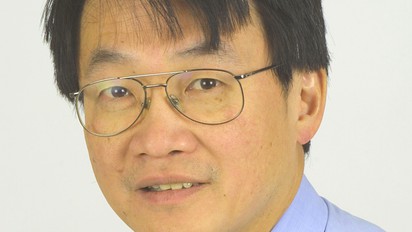
Christopher L-H Huang
University of Cambridge, United Kingdom
Prof. Christopher Huang is Professor of Cell Physiology in the University of Cambridge. He read Physiology and Clinical Medicine at the Queen’s College, Oxford on a Florence Heale Scholarship award, and his PhD, at the Physiological Laboratory, Cambridge, on a Medical Research Council award. He was then successively, Assistant Lecturer, Lecturer, Reader in the University of Cambridge. His electrophysiological contributions fall in the areas of skeletal muscle excitation-contraction coupling, cellular ionic homeostasis, central nervous system imaging, and cardiac arrhythmogenic mechanisms in genetic Na+, K+ and ryanodine receptor channel, and metabolic models, in addition to authoring/editing 7 books/monographs, and 5 journal theme issues. He was awarded the Brian Johnson, Rolleston (Oxford) and Gedge Prizes (Cambridge), and has been editor for Journal of Physiology, Monographs of the Physiological Society, Biological Reviews, Europace, eLife and Biographical Memoirs of Fellows of the Royal Society and Faculty Opinions Integrative Physiology Section Leader. He was Cambridge Philosophical Society President, served on the British Heart Foundation Advisory Council and Fellowships Committee, and is Sino British Fellowship Trustee (UK).
- Expertise
- Medicine
- Physiology
- Research focus
- cellular muscle electrophysiology
- Ca2+ imaging
- Na+ channel function and pharmacology
- cardiac arrhythmias
- Experimental organism
- mouse
- Competing interests statement
- Current funding: British Heart Foundation (UK); BioMarin Ltd. (UK)Editorial Roles: Europace, ELife, Biographical Memoirs of Fellows of the Royal Society; International Journal of Drug Discovery and PharmacologyOthers: Sino-British Fellowship Trust (UK); Faculty Opinions Integrative Physiology Section Leader.Visiting Professorships: Southwest University, Luzhuo, China; University of Surrey, UK.
-
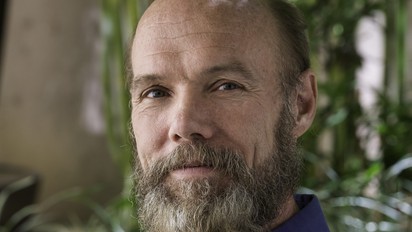
John Huguenard
Stanford University School of Medicine, United States
John Huguenard is Professor of Neurology and Neurological Sciences at Stanford University School of Medicine, with additional appointments in the Departments of Molecular and Cellular Physiology and Neurosurgery. He joined the faculty in 1994, and served on the executive and steering committees from 2000-2016. He was director of the Stanford Neurosciences PhD program from 2006-2013, and of the NIH T32 supported Stanford Postdoctoral Epilepsy Training Program from 2004 to the present. His work is on neurophysiology of voltage- and ligand-gated ion channels in neural circuits related to neuropsychiatric diseases such as epilepsy and autism spectrum disorders. A particular focus is mechanisms of action of antiepileptic drugs, and development of modern therapeutic interventions such as on demand optogenetics. His work is multidisciplinary including in vitro electrophysiology, genetic models, computational neuroscience, multiphoton microscopy, image analysis, and in vivo imaging and extracellular neurophysiology. He is a Fellow of the American Association for the Advancement of Science. He has received the research career award from the American Epilepsy Society and has served on its board.
- Expertise
- Neuroscience
- Physiology
- Research focus
- thalamocortical epileptic network
- epilepsy
- cortical microcircuitry
- ion channels
- Experimental organism
- mouse
- Competing interests statement
- John Huguenard is employed by Stanford University. He receives research funding from the National Institutes of Health and the Simons Foundation. He is a Fellow of the American Association for the Advancement of Science. He serves actively on the editorial boards of Experimental Neurology and Journal of Computational Neuroscience.
-
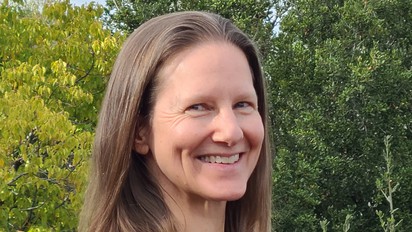
Merritt Maduke
Stanford University School of Medicine, United States
Merritt Maduke is an Associate Professor of Molecular & Cellular Physiology and co-director of the Neurosciences Interdisciplinary Graduate Program at Stanford University School of Medicine. She received her PhD in Chemistry from the University of California, San Diego and did postdoctoral training at Brandeis University with Professor Chris Miller. Her research at Stanford is centered on the biophysics of ion channels and transporters, with the overarching goal of understanding molecular mechanisms within the context of physiological functions. She also applies her mechanistic approach in the field of ultrasound neuromodulation. She was awarded the Society of General Physiologist’s Cranefield Award for her research on ion channels (2008) and served as the Society’s President from 2018-2019.
- Expertise
- Structural Biology and Molecular Biophysics
- Neuroscience
- Biochemistry and Chemical Biology
- Physiology
- Research focus
- ion channel and transporter molecular mechanisms
- ion channel and transporter physiology
- ion channel and transporter pharmacology
- ultrasound neuromodulation
- Experimental organism
- E. coli
- mouse
- rat
- Competing interests statement
- Merritt Maduke is employed by Stanford University and receives research funding from the National Institutes of Health and Stanford Innovative Medicine Accelerator. She has served on the BPNS and BBM study sections at the NIH and as ad hoc member of additional panels. She serves on the editorial boards of the Biophysical Journal and The Journal of General Physiology and is a founding curator for Biophysics Colab.
-

Satyajit Rath
National Institute of Immunology, New Delhi, India
Satyajit Rath was trained as a physician and a pathologist in Pune and Mumbai, India. He has worked on various issues related to the mechanisms involved in the development and functioning of the immune system since the nineteen-eighties, initially in post-doctoral stints across the world and then as a faculty member at the National Institute of Immunology (NII) in New Delhi, and as an adjunct faculty member at the Translational Health Science and Technology Institute, Faridabad, India and the Christian Medical College, Vellore, India. After formal retirement, he has also held honorary positions as the Agharkar Chair at the Agharkar Research Institute, Pune, India, and as a professor emeritus at the Indian Institute of Science Education and Research (IISER), Pune, India. Satyajit also works on science-and-society policies as well as science education and outreach with both government agencies and civil society groups.
- Expertise
- Immunology and Inflammation
- Physiology
- Research focus
- immune physiology
- lymphocyte development
- lymphocyte responses
- macrophage activation
- immunity in disease
- Competing interests statement
- Research support for Satyajit's group over the years has come mainly from agencies of the government of India. He serves and has served as a member of scientific advisory committees/ councils as well as of management boards of a number of life science institutions in India as well as funding agencies of the government of India. He is currently editorially associated with Frontiers in Immunology, Clinical and Translational Immunology, and DIALOGUE: Science, Scientists, and Society. He is also associated in advisory capacities with small biotech companies such as Ahammune Biosciences Private Limited, Pune, India, Curadev Pharma Private Limited, NOIDA, India, and Mynvax Private Limited, Bangalore, India.
-
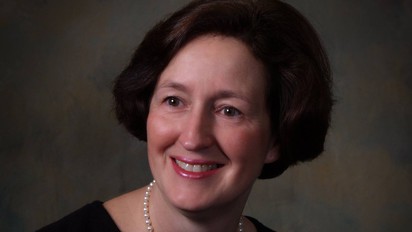
Dolores Shoback
University of California, San Francisco, United States
Dr Dolores Shoback cares for patients with a variety of disorders related to the endocrine system, focusing particularly on metabolic bone disease, parathyroid disorders and osteoporosis. She also directs UCSF's physician training program in diabetes, endocrinology and metabolism.
Shoback's research interests include metabolic bone disease, the calcium-sensing receptor and parathyroid hormone.
Shoback completed her undergraduate studies at the University of Pennsylvania. She earned her MD from the Johns Hopkins School of Medicine and completed a residency in internal medicine at the Johns Hopkins Hospital. She completed a fellowship in endocrinology at Brigham and Women's Hospital.
- Expertise
- Medicine
- Physiology
- Research focus
- endocrinology
- hormones
- bone metabolism
- calcium
- mineral
- parathyroid
- vitamin D
- Experimental organism
- human
- mouse
- Competing interests statement
- Dr Shoback is currently funded by the NIH.
-
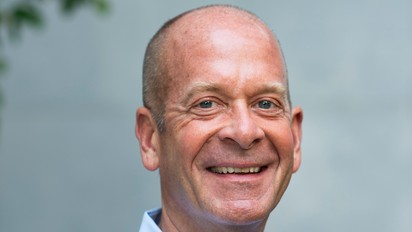
Kenton J Swartz
National Institute of Neurological Disorders and Stroke, NIH, United States
Kenton Swartz has been a Senior Investigator in the National Institute of Neurological Disorders and Stroke within the National Institutes of Health in Bethesda, Maryland since 2003. He obtained a BS in Chemistry and Biology from Eastern Mennonite College in 1986 and a PhD in Neurobiology from Harvard Medical School in 1993, where he worked with Bruce Bean studying the regulation of voltage-gated calcium channels by G-proteins and protein kinases. He obtained postdoctoral training with Roderick MacKinnon at Harvard Medical School, where he began isolating and studying toxins that interact with voltage-activated potassium channels. His laboratory uses biochemical, molecular biological, biophysical and structural techniques to understand how ion channel proteins sense critical biological stimuli, including membrane voltage, temperature, and both chemical and mechanical signals. He received an NIH Directors Award for Scientific Achievement in 2008, an NIH Office of the Director Honor Award on behalf of the Diversity Task Force in 2011 and the Kenneth S. Cole Award from the Biophysical Society in 2017. He has also served as the president of the Society of General Physiologists.
- Expertise
- Structural Biology and Molecular Biophysics
- Neuroscience
- Biochemistry and Chemical Biology
- Physiology
- Research focus
- ion channel structure
- ion channel mechanisms
- ion channel physiology
- ion channel pharmacology
- Experimental organism
- mouse
- Competing interests statement
- Kenton Swartz is employed by the Intramural Research Program of the National Institute of Neurological Disorders and Stroke, National Institutes of Health. In addition to serving as a Senior Editor at eLife, he has served as a Reviewing Editor for eLife and as an Associate Editor at the Journal of General Physiology. He also teaches yoga at LifeTime Athletic.
Reviewing editors
-
Yousef Abu-Amer
Washington University School of Medicine, United States
- Expertise
- Cell Biology
- Immunology and Inflammation
- Medicine
- Physiology
- Research focus
- osteolysis
- osteoclast
- osteoarthritis
- osteoimmunology
- inflammatory arthritis
- RANKL
-
Anurag Agrawal
CSIR Institute of Genomics and Integrative Biology, India
- Expertise
- Medicine
- Physiology
- Research focus
- asthma
- respiratory diseases
- Experimental organism
- human
- mouse
-
Sameh Ali
Children's Cancer Hospital Egypt, Egypt
- Expertise
- Biochemistry and Chemical Biology
- Cancer Biology
- Cell Biology
- Immunology and Inflammation
- Neuroscience
- Structural Biology and Molecular Biophysics
- Physiology
- Research focus
- metabolism
- mitochondria
- redox biology
- reactive oxygen species
- membrane biophysics
- inflammation
- aging
- oncology
-
Toby W Allen
RMIT University, Australia
- Expertise
- Structural Biology and Molecular Biophysics
- Physics of Living Systems
- Neuroscience
- Physiology
- Research focus
- computational biophysics
- molecular dynamics
- free-energy calculations
- ion channels
- ion permeation
- membranes
-
Rozalyn M Anderson
University of Wisconsin-Madison, United States
- Expertise
- Cell Biology
- Medicine
- Physiology
- Research focus
- aging
- metabolism
- caloric restriction
-
Michelle Antoine
National Institute on Alcohol Abuse and Alcoholism (NIAAA), United States
- Expertise
- Neuroscience
- Physiology
- Research focus
- neural circuits
- autism
- ADHD
- E-I balance
- striatum
- synaptic transmission
- neurodevelopment
- epilepsy
-
Hossein Ardehali
University of Arizona, United States
- Expertise
- Medicine
- Biochemistry and Chemical Biology
- Physiology
- Research focus
- mitochondria
- iron
- glucose metabolism
- mRNA-binding proteins
- hexokinases
- metabolism
- cardiac biology
-
Hua Bai
Iowa State University, United States
- Expertise
- Cell Biology
- Developmental Biology
- Genetics and Genomics
- Physiology
- Research focus
- human cell culture
- Experimental organism
- Drosophila
-
Soumen Basak
National Institute of Immunology, India
- Expertise
- Immunology and Inflammation
- Physiology
- Research focus
- inflammation
- signalling
- metabolism
- colon
- barrier
- musculoskeletal
- myalgia/arthralgia
- virus
-
Patricia Bassereau
Institut Curie, France
- Expertise
- Cell Biology
- Physics of Living Systems
- Structural Biology and Molecular Biophysics
- Physiology
- Research focus
- physics of cells
- membrane biophysics
- mechanobiology
- intracellular traffic
- endocytosis
- adhesion
- cellular protrusions
- biomimetic membranes
-
Kurt Beam
University of Colorado Anschutz Medical Campus, United States
- Expertise
- Structural Biology and Molecular Biophysics
- Neuroscience
- Physics of Living Systems
- Physiology
- Research focus
- excitation-contraction coupling in skeletal muscle
- voltage-gated calcium channels
- calcium release channels
-
Hugo J Bellen
Baylor College of Medicine, United States
- Expertise
- Neuroscience
- Developmental Biology
- Genetics and Genomics
- Physiology
- Research focus
- neurobiology
- human neurological disease
- Alzheimer's disease
- Parkinson's disease
- diagnosis of human genetic diseases
- fly technology
- CRIMIC
- MiMIC
- Experimental organism
- D. melanogaster
- mouse
-
Gabrielle T Belz
The Walter and Eliza Hall Institute of Medical Research, Australia
- Expertise
- Immunology and Inflammation
- Physiology
- Research focus
- innate immunity
- immune protection
- adaptive immunity
- transcriptional regulation
- T cell memory
- innate immune cells
- pathogen infection
- viral infection
- immune cell differentiation
- Experimental organism
- mouse
-
Bérénice A Benayoun
University of Southern California, United States
- Expertise
- Chromosomes and Gene Expression
- Genetics and Genomics
- Immunology and Inflammation
- Physiology
- Research focus
- aging
- macrophages
- inflammation
- sex differences
- menopause
- sex hormones
- Experimental organism
- mouse
- African turquoise killifish
-
Jimena Berni
University of Sussex, United Kingdom
- Expertise
- Neuroscience
- Developmental Biology
- Physiology
- Research focus
- locomotion
- developmental biology
- central pattern generators
- neurogenetics
- neurobiology
- genetic basis of behavior
- Experimental organism
- Drosophila
-
Audrey M Bernstein
State University of New York Upstate Medical University, United States
- Expertise
- Cell Biology
- Medicine
- Stem Cells and Regenerative Medicine
- Physiology
- Research focus
- cornea
- scarring
- fibrosis
- glaucoma
- integrins
- myofibroblast
-
Roberto Bottini
University of Trento, Italy
- Expertise
- Neuroscience
- Physiology
- Research focus
- memory
- cognitive maps
- conceptual knowledge
- brain plasticity
- spatial navigation
- neuroimaging
- fMRI
-
Jeffrey J Brault
Indiana University, United States
- Expertise
- Cell Biology
- Biochemistry and Chemical Biology
- Physiology
- Research focus
- skeletal muscle
- bioenergetics
- mitochondria
- atrophy
- ATP
- Experimental organism
- mouse
-
Axel T Brunger
Stanford University, United States
- Expertise
- Structural Biology and Molecular Biophysics
- Neuroscience
- Physiology
- Research focus
- neurotransmission
- membrane fusion
- X-ray crystallography
- electron microscopy
- macromolecular computer simulation
- Experimental organism
- mouse
-
Christoph Buettner
Rutgers Robert Wood Johnson Medical School, United States
- Expertise
- Medicine
- Physiology
- Research focus
- metabolism
- diabetes
-
Ernesto Canalis
UConn Health, United States
- Expertise
- Medicine
- Cell Biology
- Physiology
- Research focus
- osteoblasts
- osteoclasts
- mouse genetics
- rare diseases
- notch
-
Jay J Cao
United States Department of Agriculture, United States
- Expertise
- Medicine
- Physiology
- Research focus
- bone metabolism
- obesity
-
Megan R Carey
Champalimaud Foundation, Portugal
- Expertise
- Neuroscience
- Physiology
- Research focus
- computational and systems neuroscience
- cerebellum
- neural circuits
- locomotion
- sensorimotor systems
- motor learning
- Experimental organism
- mouse
-
Anne E Carlson
University of Pittsburgh, United States
- Expertise
- Developmental Biology
- Structural Biology and Molecular Biophysics
- Physiology
- Research focus
- fertilization
- ion channel regulation
- biophysics
- sperm
- calcium
- eggs
- zinc
- TMEM16A
-
Marlon Cerf
South African Medical Research Council, South Africa
- Expertise
- Cell Biology
- Medicine
- Physiology
- Research focus
- diabetes
- cardiovascular disease
- SDGs
- fetal programming
- obesity
-
Moses V Chao
New York University Langone Medical Center, United States
- Expertise
- Neuroscience
- Physiology
- Research focus
- trophic factors
- receptor signal transduction
- growth factors
-
Xin Chen
Johns Hopkins University, United States
- Expertise
- Developmental Biology
- Chromosomes and Gene Expression
- Physiology
- Research focus
- germ cells
- stem cells
- asymmetric cell division
- histones
- epigenetics
- transcription
- Experimental organism
- C. elegans
- D. melanogaster
-
Sandipan Chowdhury
University of Iowa, United States
- Expertise
- Structural Biology and Molecular Biophysics
- Physiology
- Research focus
- physiology
- biophysics
-
Rosana Collepardo
University of Cambridge, United Kingdom
- Expertise
- Structural Biology and Molecular Biophysics
- Physiology
- Research focus
- epigenetic phenomena
- DNA structure
- gene expression
- molecular modeling
-
Seth J Corey
Cleveland Clinic, United States
- Expertise
- Cancer Biology
- Medicine
- Physiology
- Research focus
- myeloid malignancies
- inherited or acquired bone marrow failure
- neutrophils
- platelets zebrafish
- cancer evolution
- proteostasis
-
Michael Czech
University of Massachusetts Medical School, United States
- Expertise
- Cell Biology
- Physiology
- Research focus
- insulin
- metabolism
- lipid-protein interactions
- signal transduction
- membranes
- adipose
- obesity
- insulin resistance
- diabetes
- Experimental organism
- human
- mouse
-
Laura R Delgui
National Scientific and Technical Research Council, Argentina
- Expertise
- Cell Biology
- Microbiology and Infectious Disease
- Structural Biology and Molecular Biophysics
- Physiology
- Research focus
- virus-host cell interactions
- membranes
- molecular biology
- cellular biology
- structural biology
- biophysics
- molecular dynamics
-
Brian Dias
University of Southern California, United States
- Expertise
- Neuroscience
- Cell Biology
- Developmental Biology
- Physiology
- Stem Cells and Regenerative Medicine
- Research focus
- learning
- memory
- motivation
- stress
- gene expression
- neurodevelopmental disorders
- olfaction
- legacies of experience
- paternal behavior
-
Dion K Dickman
University of Southern California, United States
- Expertise
- Neuroscience
- Physiology
- Research focus
- synapse
- plasticity
- homeostasis
- neuromuscular junction
- glutamate
- Experimental organism
- D. melanogaster
-
Jun Ding
Stanford University, United States
- Expertise
- Neuroscience
- Physiology
- Research focus
- neural circuits
- motor learning
- motor control
- Parkinson's disease
- synaptic transmission
- synaptic plasticity
- dendrites
- spine
- dopamine
- Experimental organism
- mouse
-
Rafael Fernández-Chacon
Instituto de Biomedicina de Sevilla (IBiS), Spain
- Expertise
- Neuroscience
- Cell Biology
- Physiology
- Research focus
- synapse
- neurotransmitter release
- synaptic maintenance
- electrophysiology
- neurodegeneration
- synaptic vesicle cycle
- neuronal ceroid lipofuscinosis
- Experimental organism
- mouse
-
Aaron Frank
Arrakis Therapeutics, United States
- Expertise
- Structural Biology and Molecular Biophysics
- Biochemistry and Chemical Biology
- Physiology
- Research focus
- molecular modeling
- biophysics
- structural biology
- computation
- RNA biochemistry
- RNA structural biology
-
Dipyaman Ganguly
Indian Institute of Chemical Biology, India
- Expertise
- Immunology and Inflammation
- Medicine
- Cell Biology
- Microbiology and Infectious Disease
- Physiology
- Research focus
- cellular immunology
- inflammation
- dendritic cells
- cell migration
- endocytosis
- autoimmune diseases
- infectious diseases
-
Gregory G Germino
National Institute of Diabetes and Digestive and Kidney Diseases, United States
- Expertise
- Medicine
- Genetics and Genomics
- Physiology
- Research focus
- nephrology
- genetic renal disease
- internal medicine
- ciliopathies
- Experimental organism
- mouse
- rat
- human
-
Arjumand Ghazi
University of Pittsburgh School of Medicine, United States
- Expertise
- Developmental Biology
- Genetics and Genomics
- Immunology and Inflammation
- Stem Cells and Regenerative Medicine
- Physiology
- Research focus
- aging
- geroscience
- reproductive aging
- longevity
- healthspan
- oocytes
- innate immunity
- inflammation
- proteostasis
- Experimental organism
- C. elegans
- Drosophila melanogaster
- mouse
-
Florent Ginhoux
Agency for Science Technology and Research, Singapore
- Expertise
- Immunology and Inflammation
- Neuroscience
- Stem Cells and Regenerative Medicine
- Physiology
- Research focus
- dendritic cells
- monocytes
- macrophages
- development
- hematopoiesis
- Experimental organism
- human
- mouse
-
Marcel Goldschen-Ohm
University of Texas at Austin, United States
- Expertise
- Neuroscience
- Structural Biology and Molecular Biophysics
- Physiology
- Research focus
- ion channel structure and mechanisms
- single molecule dynamics
- single molecule fluorescence
- patch-clamp electrophysiology
- ligand binding
-
Frederik Graw
Heidelberg University, Germany
- Expertise
- Immunology and Inflammation
- Computational and Systems Biology
- Microbiology and Infectious Disease
- Physiology
- Research focus
- mathematical modelling
- theoretical immunology
- host-pathogen interactions
- viral spread
- infection dynamics
- Experimental organism
- mouse
- viruses
-
Christine Grienberger
Brandeis University, United States
- Expertise
- Neuroscience
- Physiology
- Research focus
- learning and memory
- synaptic plasticity
- neurodegenerative diseases
- dendritic integration
-
Shozeb Haider
University College London, United Kingdom
- Expertise
- Medicine
- Structural Biology and Molecular Biophysics
- Computational and Systems Biology
- Microbiology and Infectious Disease
- Physiology
- Research focus
- X-ray crystallography
- molecular dynamics simulations
- allostery
- structure-based drug design
- structural bioinformatics
- computational chemistry
- nucleic acids
- rare diseases
-
Donald Hamelberg
Georgia State University, United States
- Expertise
- Structural Biology and Molecular Biophysics
- Physiology
- Research focus
- molecular dynamics
- classical simulations
- protein dynamics
- protein allostery
- enzyme catalysis
- Long time scale dynamics
-
Weiping Han
Institute of Molecular and Cell Biology (IMCB), A*STAR (Agency for Science, Technology and Research), Singapore
- Expertise
- Neuroscience
- Cell Biology
- Physiology
- Research focus
- diabetes
- enzymes
- metabolism
- obesity
- secretion
- exocytosis
-
Brandon Harvey
NIDA/NIH, Intramural Research Program, United States
- Expertise
- Cell Biology
- Immunology and Inflammation
- Neuroscience
- Physiology
- Research focus
- neuroinflammation
- ER stress
- UPR
- ER calcium
- KDEL receptor
- manf
- stroke
- Experimental organism
- rat
- mouse
- human cells
-
Margaret S Ho
National Yang Ming Chiao Tung University, Taiwan
- Expertise
- Neuroscience
- Cell Biology
- Physiology
- Research focus
- glia
- neurodegenerative disease
- protein degradation
- neuron-glia interactions
- inflammation
- innate behaviors
- Experimental organism
- Drosophila
- mouse
-
Heedeok Hong
Michigan State University, United States
- Expertise
- Structural Biology and Molecular Biophysics
- Biochemistry and Chemical Biology
- Physiology
- Research focus
- membrane proteins
- membrane protein folding
- membrane protein stability
- rhomboid proteases
- ATP-dependent proteolysis
- AAA+
- GlpG
- FtsH
-
Valerie Horsley
Yale University, United States
- Expertise
- Cell Biology
- Developmental Biology
- Stem Cells and Regenerative Medicine
- Physiology
- Research focus
- epithelial stem cells
- adipocyte stem cells
- adipose tissue
- epithelial-mesenchymal interactions
- mechanical regulation of tissues
- tissue regeneration
-
Maneesha S Inamdar
Jawaharlal Nehru Centre for Advanced Scientific Research, India
- Expertise
- Developmental Biology
- Cell Biology
- Stem Cells and Regenerative Medicine
- Physiology
- Research focus
- pluripotent stem cells
- hematopoiesis
- vascular
- organelles
- mitochondria
- vesicular trafficking
- cytoskeleton
- protein sorting
-
Leon D. Islas
Universidad Nacional Autónoma de México, Mexico
- Expertise
- Structural Biology and Molecular Biophysics
- Physiology
- Research focus
- molecular computation
- membrane proteins
- ion channels
- fluorescence
- models
-
Aya Ito-Ishida
Keio University School of Medicine, Japan
- Expertise
- Neuroscience
- Physiology
- Research focus
- synapse formation
- circuit development
- cerebellum
- neurodevelopmental disorders
- Rett syndrome
- Experimental organism
- mouse
-
Alicia Izquierdo
University of California, Los Angeles, USA, United States
- Expertise
- Neuroscience
- Physiology
- Research focus
- behavioral and systems neuroscience
- frontal cortex
- reward learning
- value learning
- behavioral flexibility
- value-based decision making
-
Andres Jara-Oseguera
University of Texas at Austin, United States
- Expertise
- Structural Biology and Molecular Biophysics
- Neuroscience
- Physiology
- Research focus
- ion channels
- Transient Receptor Potential (TRP) channels
- membrane transport proteins
- nociception
- voltage-activated channels
- cellular excitability
- pain-signaling
-
Johnny Kim
TRON gGmbH, Germany
- Expertise
- Developmental Biology
- Stem Cells and Regenerative Medicine
- Physiology
- Research focus
- stem cells
- regeneration
- cardiovascular biomedicine
- muscle biology
- reprogramming
- aging
- totipotency
- pluripotency
- cell therapy
- gene therapy
- Experimental organism
- mouse
- human
-
Genevieve Konopka
The University of Texas Southwestern Medical Center, United States
- Expertise
- Neuroscience
- Genetics and Genomics
- Evolutionary Biology
- Physiology
- Research focus
- comparative genomics
- autism
- schizophrenia
- neurogenomics
- cognition
- language
- molecular neuroscience
- Experimental organism
- human
- mouse
-
David M Kramer
Michigan State University, United States
- Expertise
- Biochemistry and Chemical Biology
- Plant Biology
- Physics of Living Systems
- Computational and Systems Biology
- Physiology
- Research focus
- photosynthesis
- bioenergetics
- electron and proton transfer
- computation
- phenotyping
- phenomics
-
Karsten Kruse
University of Geneva, Switzerland
- Expertise
- Biochemistry and Chemical Biology
- Physics of Living Systems
- Physiology
- Research focus
- cell migration
- cell signalling
- theoretical biology
- molecular evolution
-
Tomohiro Kurosaki
Osaka University, Japan
- Expertise
- Immunology and Inflammation
- Physiology
- Research focus
- acquired immunity
- vaccine development
- B cell
- antibody
- T cell
- autoimmune diseases
- Experimental organism
- human
- mouse
-
Dudley W Lamming
University of Wisconsin-Madison, United States
- Expertise
- Medicine
- Biochemistry and Chemical Biology
- Physiology
- Research focus
- aging
- physiology
- dietary restriction
- amino acids
- diabetes
- obesity
- metabolism
- protein
- Experimental organism
- mouse
-
Bruno Lemaitre
Ecole Polytechnique Fédérale de Lausanne, Switzerland
- Expertise
- Immunology and Inflammation
- Physiology
- Research focus
- innate immunity
- gut
- Drosophila
- pattern-recognition
- entomopathogens
- insect endosymbionts
- Experimental organism
- D. melanogaster
-
Elena Levashina
Max Planck Institute for Infection Biology, Germany
- Expertise
- Microbiology and Infectious Disease
- Physiology
- Research focus
- malaria ecology
- mosquito immune system
- Anopheles gambiae
- Experimental organism
- P. falciparum
-
Richard Lewis
Stanford University School of Medicine, United States
- Expertise
- Structural Biology and Molecular Biophysics
- Physiology
- Research focus
- ion channels
- calcium signaling
-
Peng Liu
Icahn School of Medicine at Mount Sinai, United States
- Expertise
- Medicine
- Cell Biology
- Physiology
- Research focus
- obesity
- aging
- osteoporosis
- Adipose Biology
- Bone Biology (osteoblasts and osteoclasts)
-
Mychael V Lourenco
Federal University of Rio de Janeiro, Brazil
- Expertise
- Cell Biology
- Medicine
- Neuroscience
- Physiology
- Research focus
- Alzheimer's disease
- synaptic plasticity
- translational control
- hormones
- memory
- neurodegeneration
- biomarkers
-
Kay F Macleod
University of Chicago, United States
- Expertise
- Cell Biology
- Cancer Biology
- Physiology
- Research focus
- autophagy
- mitochondria
- pancreatic cancer
- breast cancer
- liver homeostasis
- tumor metabolism
- Experimental organism
- mouse
- human
-
Fabrizio Marinelli
Medical College of Wisconsin, United States
- Expertise
- Structural Biology and Molecular Biophysics
- Biochemistry and Chemical Biology
- Physiology
- Research focus
- computational biophysics
- molecular dynamics
- membrane proteins
- membrane transporters
- ion channels
- membrane remodeling
- integrative structural biology
- computational methods development
-
Pascal Martin
Institut Curie, France
- Expertise
- Neuroscience
- Physics of Living Systems
- Physiology
- Research focus
- active mechanical processes
- hair cells of the inner ear
- molecular motors and the cytoskeleton
- oscillations
- mechanosensitivity
- frequency selectivity
- in vitro reconstituted motor systems
- Experimental organism
- rat
- Xenopus
-
Gherardo Mazziotti
Humanitas University of Milan, Italy
- Expertise
- Medicine
- Physiology
- Research focus
- endocrinology
- pituitary disease
- growth hormone
- thyroid
- FSH
- thyroid diseases
- secondary osteoporosis
- insulin-like growth factor-1
- ACTH
- cortisol
- prolactin
- TSH
- PTH
-
Zoe A McElligott
University of North Carolina at Chapel Hill, United States
- Expertise
- Neuroscience
- Physiology
- Research focus
- optogenetics
- psychiatric illness
- whole-cell electrophysiology
- chemogenetics
- caspase ablation
- behavioral assays
-
Alphee Michelot
Mechanobiology Institute, Singapore
- Expertise
- Cell Biology
- Physics of Living Systems
- Physiology
- Research focus
- cytoskeleton
- actin dynamics
- motility
- endocytosis
- cytokinesis
- actin mechanics
- energy conversion
- force transduction
- Experimental organism
- S. cerevisiae
-
Subburaman Mohan
Loma Linda University, United States
- Expertise
- Medicine
- Genetics and Genomics
- Physiology
- Research focus
- bone biology
- endochondral bone formation
- insulin-like growth factors
- osteoporosis
- osteoarthritis
- skeletal development
- Experimental organism
- human
-
Marcelo A Mori
State University of Campinas, Brazil
- Expertise
- Biochemistry and Chemical Biology
- Cell Biology
- Chromosomes and Gene Expression
- Genetics and Genomics
- Immunology and Inflammation
- Physiology
- Research focus
- aging
- metabolism
- obesity
- adipose tissue
- microRNAs
- endocrinology
- integrative physiology
-
Tomohiro Morio
Tokyo Medical and Dental University, Japan
- Expertise
- Immunology and Inflammation
- Medicine
- Physiology
- Research focus
- primary immunodeficiency
- pediatrics
- cell therapy
- monogenic disorder
- iPS cells
-
Tina Mukherjee
Institute for Stem Cell Biology and Regenerative Medicine (inStem), India
- Expertise
- Stem Cells and Regenerative Medicine
- Developmental Biology
- Physiology
- Research focus
- metabolism
- myeloid development and function
- stem cells and development
- neuro-immune crosstalk
- Experimental organism
- drosophila
- mouse
- mosquitos
-
Rishikesh Narayanan
Indian Institute of Science Bangalore, India
- Expertise
- Neuroscience
- Physiology
- Computational and Systems Biology
- Physics of Living Systems
- Research focus
- active dendrites
- brain complexity and degeneracy
- cellular neurophysiology
- computational neuroscience
- electrophysiology
- hippocampus
- ion channels
- network neuroscience
- neural-circuit heterogeneities
- neural plasticity
- synaptic plasticity
- Experimental organism
- rat
- mouse
-
Armita Nourmohammad
University of Washington, United States
- Expertise
- Computational and Systems Biology
- Evolutionary Biology
- Physics of Living Systems
- Immunology and Inflammation
- Physiology
- Research focus
- population genetics
- computational immunology
- adaptive immunity
- statistical physics
- deep mutational scanning
- information theory
- statistical inference
- gene expression evolution
- Experimental organism
- D. melanogaster
- human
- viruses
-
Anna Panchenko
Queen's University, Canada
- Expertise
- Chromosomes and Gene Expression
- Computational and Systems Biology
- Cancer Biology
- Physiology
- Research focus
- molecular modeling
- bioinformatics
- machine learning
- molecular dynamics simulations
- cancer mutations
- chromosome and nucleosome dynamics
-
Adrien Peyrache
McGill University, United States
- Expertise
- Neuroscience
- Physiology
- Research focus
- spatial navigation
- sleep
- memory consolidation
- replay
- neural coding
- Experimental organism
- mouse
-
Kate Poole
UNSW Sydney, Australia
- Expertise
- Cell Biology
- Structural Biology and Molecular Biophysics
- Physiology
- Research focus
- mechanobiology
- mechanosensitive ion channels
- patch-clamp electrophysiology
- ion channels
- microgravity
- cellular force sensing
- atomic force microscopy
-
Douglas Portman
University of Rochester, United States
- Expertise
- Developmental Biology
- Neuroscience
- Physiology
- Research focus
- neurogenetics
- behavioral genetics
- behavioral plasticity
- hypothamalus sex differences
- neuronal development
- Experimental organism
- C. elegans
-
Murali Prakriya
Northwestern University, United States
- Expertise
- Structural Biology and Molecular Biophysics
- Neuroscience
- Physiology
- Research focus
- cell imaging
- cellular electrophysiology
- calcium signaling
- ion channels
- neurobiology
- cell physiology
- Experimental organism
- mouse
-
Benjamin L Prosser
University of Pennsylvania Perelman School of Medicine, United States
- Expertise
- Cell Biology
- Physics of Living Systems
- Chromosomes and Gene Expression
- Physiology
- Research focus
- cardiac function
- muscle
- cardiomyocytes
- mechanotransduction
- cytoskeleton
- microtubules
- sarcomere
-
Jalees Rehman
University of Illinois at Chicago, United States
- Expertise
- Cell Biology
- Genetics and Genomics
- Immunology and Inflammation
- Medicine
- Stem Cells and Regenerative Medicine
- Physiology
- Research focus
- vascular biology
- macrophage biology
- inflammation
- transcriptomics
- single cell analysis
- lung biology
- cell regeneration
-
Jeremy Reiter
University of California, San Francisco, United States
- Expertise
- Cell Biology
- Developmental Biology
- Stem Cells and Regenerative Medicine
- Physiology
- Research focus
- cilia
-
Fred Rieke
HHMI, University of Washington, United States
- Expertise
- Neuroscience
- Physiology
- Research focus
- non-human primates
- computational neuroscience
- biophysics
- Experimental organism
- mouse
-
Julien Roche
Iowa State University, United States
- Expertise
- Structural Biology and Molecular Biophysics
- Physiology
- Research focus
- protein folding
- intrinsically disordered proteins
- solution NMR spectroscopy
-
Lee L Rubin
Harvard Stem Cell Institute, Harvard University, United States
- Expertise
- Stem Cells and Regenerative Medicine
- Physiology
- Research focus
- neurodegenerative disease
- neuromuscular diseases
- brain aging
- Experimental organism
- human (iPSCs)
- mouse
-
Mishaela R Rubin
Columbia University Medical Center, United States
- Expertise
- Medicine
- Physiology
- Research focus
- diabetes
- parathyroid
- osteoporosis
-
Sarah Russell
Peter MacCallum Cancer Centre, Australia
- Expertise
- Cell Biology
- Developmental Biology
- Immunology and Inflammation
- Physiology
- Research focus
- cell fate determination
- T cells
- cell polarity
- synapse
- asymmetric cell division
- Scribble
- Experimental organism
- mouse
-
Tomás J Ryan
Trinity College Dublin, Ireland
- Expertise
- Neuroscience
- Physiology
- Research focus
- memory
- engram
- behavior
- evolution
- learning
- neuroimmunology
- development
- instinct
-
Jon T Sack
University of California, Davis, United States
- Expertise
- Structural Biology and Molecular Biophysics
- Neuroscience
- Physiology
- Research focus
- ion channels
- voltage gating
- voltage clamp electrophysiology
- ligand binding
- allostery
- rate theory modeling
- thermodynamics
-
Shimon Sakaguchi
Osaka University, Japan
- Expertise
- Immunology and Inflammation
- Physiology
- Research focus
- B cells
- immune tolerance
- autoimmune disease
- tumor immunity
-
Irene Salinas
University of New Mexico, United States
- Expertise
- Immunology and Inflammation
- Neuroscience
- Evolutionary Biology
- Microbiology and Infectious Disease
- Physiology
- Research focus
- mucosal immunology
- neuroimmunology
- host-microbe interactions
- evolutionary immunology
-
Alejandro San Martín
Centro de Estudios Científicos and Universidad San Sebastián, Chile
- Expertise
- Biochemistry and Chemical Biology
- Cancer Biology
- Cell Biology
- Physiology
- Research focus
- imaging
- metabolism
- FRET
- single-fluorophore
- single-cell
- cell physiology
- optogenetics
-
Apurva Sarin
Institute for Stem Cell Science and Regenerative Medicine, India
- Expertise
- Cell Biology
- Immunology and Inflammation
- Physiology
- Research focus
- apoptosis
- Notch1
- signal transduction
- T cells
- Experimental organism
- mouse
-
Helen Scharfman
New York University Langone Medical Center, United States
- Expertise
- Neuroscience
- Physiology
- Research focus
- hippocampus
- neuronal excitability
- neurogenesis
- brain-derived neurotrophic factor
- neuroendocrinology
- epilepsy
- Alzheimer’s disease
-
Shimon Schuldiner
The Hebrew University of Jerusalem, Israel
- Expertise
- Biochemistry and Chemical Biology
- Microbiology and Infectious Disease
- Physiology
- Research focus
- ion-coupled transporters
- neurotransporters
- multidrug transporters
- vesicular transporters
- antibiotic resistance
- bioenergetics
- microbial physiology
- membrane proteins
-
Annalisa Scimemi
University at Albany, State University of New York, United States
- Expertise
- Neuroscience
- Physiology
- Research focus
- synaptic physiology
- synaptic plasticity
- synaptic integration
- neurotransmitter transporters
- astrocytes
- modeling
- hippocampus
- basal ganglia
- neurological disorders
-
Pierre Sens
Institut Curie, France
- Expertise
- Physics of Living Systems
- Physiology
- Research focus
- statistical physics
- soft matter
- membrane
- cell mechanics
- cell motility
- organelles
-
Jiwon Shim
Seoul National University of Science and Technology, South Korea
- Expertise
- Cell Biology
- Developmental Biology
- Genetics and Genomics
- Immunology and Inflammation
- Physiology
- Research focus
- hematopoiesis
- innate immunity
- hemocyte
- development
- signaling
- inter-organ communication
- Experimental organism
- D. melanogaster
-
Show-Ling Shyng
Oregon Health and Science University, United States
- Expertise
- Biochemistry and Chemical Biology
- Cell Biology
- Structural Biology and Molecular Biophysics
- Physiology
- Research focus
- ion channels
- protein structure-function
- electrophysiology
- pharmacology
- intracellular trafficking
- signal transduction
- chaperones
- islet biology
-
Inna Slutsky
Tel Aviv University, Israel
- Expertise
- Neuroscience
- Physiology
- Research focus
- cellular and circuit-level neuroscience
- neuronal homeostasis
- synaptic plasticity
- synaptic transmission
- Alzheimer's disease
- Experimental organism
- rodents
-
N. Ravi Sundaresan
Indian Institute of Science, India
- Expertise
- Cell Biology
- Medicine
- Biochemistry and Chemical Biology
- Chromosomes and Gene Expression
- Stem Cells and Regenerative Medicine
- Physiology
- Research focus
- reversable acetylation
- ADP-ribosylation
- cellular senescence and aging
- sirtuins
- cardiac and skeletal muscle diseases
- fibrosis
- Experimental organism
- human
- mouse
- rat
-
Kiyoshi Takeda
Osaka University, Japan
- Expertise
- Immunology and Inflammation
- Medicine
- Physiology
- Research focus
- mucosal immunology
- inflammatory bowel disease
- intestinal immunity
- intestinal environmental factors
- intestinal epithelial cells
-
Lipi Thukral
CSIR-Institute of Genomics and Integrative Biology, India
- Expertise
- Structural Biology and Molecular Biophysics
- Physiology
- Research focus
- computational structural biology
- molecular dynamics simulations
- protein-lipid interactions
- vesicles
- membranes
- autophagy
- structural genomics
- protein crowding
- spike protein
-
Mohamed Trebak
University of Pittsburgh School of Medicine, United States
- Expertise
- Structural Biology and Molecular Biophysics
- Cell Biology
- Biochemistry and Chemical Biology
- Physiology
- Research focus
- calcium channels
- receptor signalling
- ion channel regulation
- vascular remodeling
- smooth muscle
-
John C Tuthill
University of Washington, United States
- Expertise
- Neuroscience
- Physics of Living Systems
- Physiology
- Research focus
- sensory coding
- motor control
- locomotion
- animal behavior
- proprioception
- weird insects
- Experimental organism
- drosophila
- chionea
-
Mei Wan
Johns Hopkins University School of Medicine, United States
- Expertise
- Medicine
- Cell Biology
- Physiology
- Research focus
- bone remodeling
- osteoarthritis
- osteoblasts
- osteoclast
- cellular senescence
- mesenchymal stem cells
- progenitor cells
-
Huili Wang
Hefei University of Technology, China
- Expertise
- Neuroscience
- Physiology
- Research focus
- synaptic plasticity
- learning
- memory
- engram cell
- neural circuits
- gene-environment interactions
- epigenetic regulation
-
Andrew West
Duke University, United States
- Expertise
- Neuroscience
- Physiology
- Research focus
- neurological disorders
- neurodegeneration
- Experimental organism
- human
- rodents
-
Urbain Weyemi
National Cancer Institute, National Institutes of Health, United States
- Expertise
- Cancer Biology
- Physiology
- Research focus
- cancer metabolism
- genomic stability
- redox biology
- reactive oxygen species
- cancer therapy
- mitochondrial homeostasis
-
R Luke Wiseman
Scripps Research, United States
- Expertise
- Biochemistry and Chemical Biology
- Cell Biology
- Physiology
- Research focus
- proteostasis
- stress-responsive signaling
- unfolded protein response
- protein secretion
- mitochondria regulation
- small molecule development
-
Keqiang Ye
Shenzhen Institute of Advanced Technology, Chinese Academy of Sciences, China
- Expertise
- Medicine
- Cancer Biology
- Biochemistry and Chemical Biology
- Neuroscience
- Physiology
- Research focus
- neuroscience
- molecular cytobiology
- cancer biology
- neurodegenerative disease
- Experimental organism
- mouse
-
Simon Yona
The Hebrew University of Jerusalem, Israel
- Expertise
- Immunology and Inflammation
- Physiology
- Research focus
- monocytes
- macrophages
- dendritic cells
- inflammation
- Experimental organism
- mouse
- human
-
Anja Zeigerer
Helmholtz Zentrum München, Germany
- Expertise
- Cell Biology
- Medicine
- Physiology
- Research focus
- type 2 diabetes
- membrane trafficking
- mitochondria
- cellular and systemic metabolism
- liver physiology
- MASLD
- endo-lysosomal system
-
Bin Zhang
Massachusetts Institute of Technology, United States
- Expertise
- Physics of Living Systems
- Structural Biology and Molecular Biophysics
- Physiology
- Research focus
- computational biophysics
- molecular dynamics
- chromatin organization
- biomolecular condensates
- genome folding
- coarse graining
-
Lejla Zubcevic
University of Kansas Medical Center, United States
- Expertise
- Structural Biology and Molecular Biophysics
- Physiology
- Research focus
- ion channels
- membrane transport
- structural biology
-
Juan Carlos Zúñiga-Pflücker
University of Toronto, Sunnybrook Research Institute, Canada
- Expertise
- Immunology and Inflammation
- Stem Cells and Regenerative Medicine
- Physiology
- Research focus
- developmental immunology
- thymus
- T cell development
- notch signaling
- lymphopoiesis
- preTCR signaling
- gamma/delta T cell differentiation
- Experimental organism
- human
- mouse



