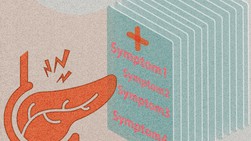
Early pancreatic cancer symptoms may be nonspecific and occur in an unpredictable order, but a study suggests mining electronic health data may help clinicians find early warning signs.
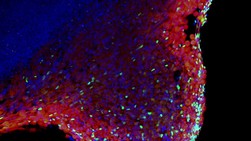
Combining computational and lab-based methods helps to identify how certain carbohydrates activate an important class of cell receptors involved in the immune response.
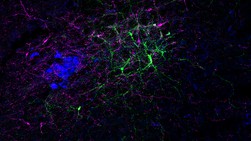
A study showing HIV-infected cells hide in the brain and other tissues in individuals receiving antiretroviral therapy may help researchers trying to target these persistent viral reservoirs.
A machine learning approach to analysing environmental DNA in the sediment of lakes reveals shifts in biodiversity in response to the use of biocides and climate change.
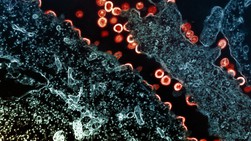
Unraveling how the bacterium that causes cholera senses and responds to bile acid in the human gut may help scientists develop new treatment and prevention strategies.