Browse our Science Digests

Page 33 of 281
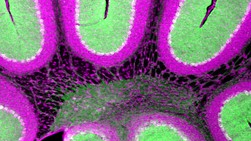
  1. Altered activity in motor disease

    Neural activity in the mouse cerebellum aligns with the presentation of motor function or dysfunction, identifying a potential target for therapy.
  2. Understanding the adolescent brain

    Experiments in male rats shed light on how parts of the brain involved in addiction differ during adolescence.
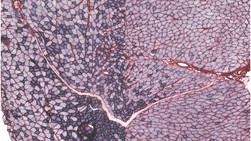
  3. All eyes on SPAG7

    A protein linked to obesity and poor muscle health in adult mice is associated with reduced transfer of nutrients in the womb.
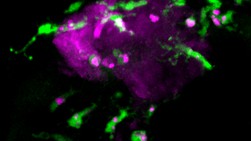
  4. Fishing for answers

    Zebrafish can grow brain tumors that resemble human tumors, allowing scientists to study how these deadly cancers develop and interact with the immune system.
  5. Maximizing working memory

    How can the brain efficiently encode and recall different types of information at the same time?
  6. Opening the gates

    The mechanisms that allow proteins called POTs to open and import crucial molecules into cells are revealed through computer simulations and cell experiments.

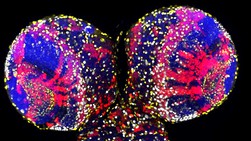
  7. Terminating stem cells

    Stem cells in the optic lobe of fruit flies are eliminated during development through a combination of mechanisms.
  8. Learning to sleep on the clock

    In fruit flies, nutrient availability and feeding behaviours in early life shape the development of the sleep/wake cycle.