Browse our Science Digests

Page 35 of 281
  1. Decoding viral diversity

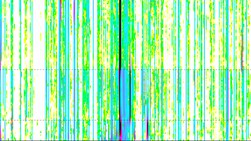
    New research reveals how genetic variability helps shape the biophysical properties of a key SARS-CoV-2 protein.
  2. Swabbing for safer births

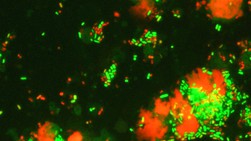
    Measuring the levels of proteins related to antimicrobial immune responses in the vaginal fluids of pregnant individuals helps predict those at higher risk of giving birth early.
  3. Gene family of thousands

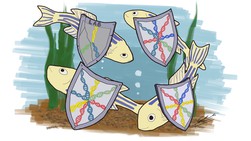
    Zebrafish have many more immune system genes than previously thought.
  4. Using community-sourced data to measure biodiversity

    Community-sourced species observation data is generally accurate and can help scientists and stakeholders keep track of biodiversity in different regions.

  5. Blades of grass and long faces

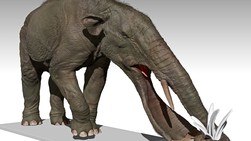
    New analyses help to reveal the evolutionary pressures that gave rise to the trunks of modern elephants.
  6. Evading the immune system

    A protein from human cytomegalovirus interacts with HLA-I molecules to prevent the immune system from detecting infected cells.
  7. Biomarking nutrition

    Biomarkers may help improve the accuracy of nutrition research.
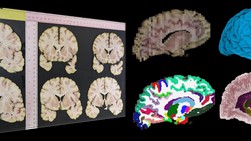
  8. Calculating the brain from plain dissection photographs

    Plain photographs of human brain slices can be used to generate accurate three-dimensional reconstructions of the brains.