Browse our Science Digests

Page 36 of 281
  1. Shielded from degradation

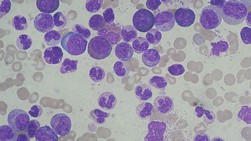
    A protein known as RAPSYN helps to protect an enzyme whose abnormal activity is linked to a widespread form of blood cancer.
  2. Vitamin B6 and the brain

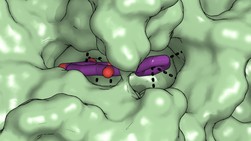
    A candidate drug that stops vitamin B6 being broken down in mouse brain cells could help to reveal how this vitamin supports learning and memory.
  3. Breathe easy

    A new genetically modified mouse model sheds new light on the molecular mechanisms behind the congenital lung disorder CPAM.
  4. Walk this way

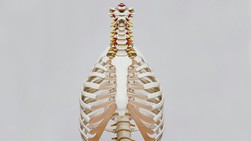
    ‘Digital insoles’ with embedded motion and pressure sensors are a promising new tool to better diagnose and monitor disorders of the bones, muscles, and joints.
  5. Predicting the effectiveness of immunotherapy

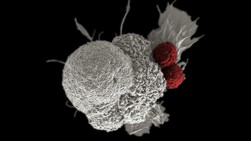
    Reactivation of a gene called DUX4 is associated with a reduced response to immune checkpoint inhibitors in patients with advanced bladder cancer.
  6. Vampire bacteria

    Certain types of intestinal bacteria are attracted to amino acids found in blood serum, which could explain their tendency to enter the bloodstream during intestinal bleeds.
  7. Facing the right direction

    Mathematical modelling reveals why the neurons responsible for tracking the direction of the head during flight are connected in a certain way in insects.

  8. Viral cutting machines

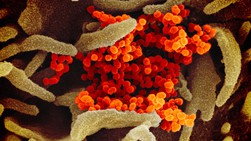
    When SARS-CoV-2 infects human cells, a virus enzyme cuts up a human protein that regulates protein production.