Browse our Science Digests

Page 59 of 281
  1. A new hope for epilepsy

    A study in a rat model of temporal lobe epilepsy has identified sodium selenate as a promising drug candidate that could reverse progression of the condition.
  2. A novel way to cause disease

    Pathogenic forms of the ANT1 protein lead to harmful consequences in yeast and mice by clogging the channels that allow mitochondria to import proteins.
  3. Sniffing out a target

    High-resolution imaging reveals how neurons involved in processing odors decide which neurons to connect with in the developing brain of fruit flies.
  4. A pseudogene with an important role

    A new study sheds light on one of the mutations important for the lifecycle of the plague agent.
  5. Disrupting the circadian clock

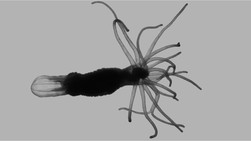
    Interfering with light and temperature cycles disrupts the nocturnal behavior of sea anemones.
  6. How old is your skeleton?

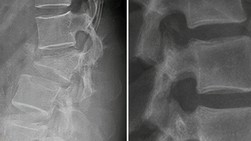
    A new way to measure how a bone fracture impacts life expectancy could help communicate risks to patients with osteoporosis.
  7. Locating cells linked to multiple sclerosis

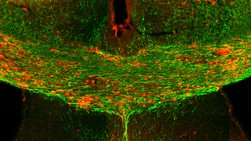
    A new mouse model allows accurate detection of oligodendroglia that produce immune proteins, paving the way for more detailed studies of the role these cells play in multiple sclerosis.

  8. Obesity on the brain

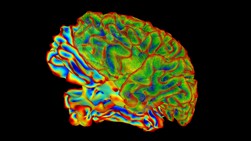
    Lifestyle changes that promote weight loss can slow obesity-driven brain aging.