Browse our Science Digests

Page 37 of 281
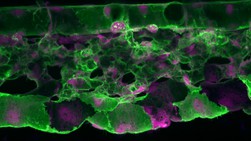
  1. Emerging blood and immune cells

    Live imaging of zebrafish embryos reveals early differences in the genesis of the cells that become blood and immune cells, shedding light on how these precursors emerge from vessels.
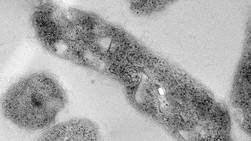
  2. Editing a vaccine

    A modified version of the tuberculosis BCG vaccine is more effective at protecting mice against the infection than the original vaccine.
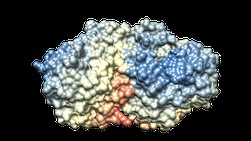
  3. Catching the drift of influenza neuraminidases

    Examining the recent evolution of an influenza protein helps to understand how the immune system responds to its different variants.
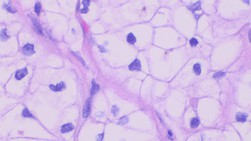
  4. Feeding a tumor

    Kidney tumors have access to the same nutrients as the healthy kidney they grow next to, suggesting they must adapt to the environment of the tissue they arise from.

  5. Unveiling a missing transport link in energy production

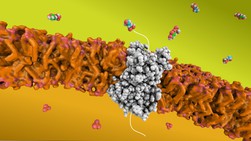
    To breakdown sugar for energy, the human gut parasite Blastocystis uses a specialised transport protein not found in human cells.
  6. Heal thy wounds

    Single-cell RNA sequencing reveals how Enterococcus faecalis infection influences skin cells and suppresses immune responses to delay wound healing.
  7. How do animals hibernate?

    A protein in skeletal muscle, called myosin, is involved in regulating body temperature in hibernating animals.
  8. The wide impact of deforestation

    Changes to forest habitats in Southeast Asia is linked to increased malaria infection in monkeys.